
Proposed Sections 1308f–1308i: A Framework for Safe Schools
MCSSA's flagship legislative initiative establishes mandatory Behavioral Threat Assessment and Management standards, single-point entry requirements, SRO memoranda of understanding, and anti-criminalization protections across Michigan's 540+ public school districts.
Proposed Sections 1308f–1308i have been formally introduced and are currently under review by the Michigan House Education Committee. MCSSA is actively engaging legislators and submitting technical testimony in support of passage.
Four Proposed Sections. One Comprehensive Standard.
Each proposed section addresses a distinct dimension of school safety — from threat assessment protocols to physical campus security, SRO conduct standards, and protections against the criminalization of students for non-credible remarks.
Mandatory BTAM Protocols
Requires every Michigan school district to adopt and implement a Behavioral Threat Assessment and Management protocol meeting evidence-based standards, with annual reporting to the Michigan Department of Education.
Single-Point Entry & Physical Security
Mandates single-point entry systems, visitor management protocols, and minimum physical security standards for all K–12 public school buildings statewide.
SRO Memoranda of Understanding
Requires formal MOUs between school districts and law enforcement agencies governing SRO conduct, delineating educational versus law enforcement roles, and establishing 'Protection, Not Prosecution' standards.
Anti-Criminalization Protections
Prohibits the referral of students to law enforcement for non-credible or impulsive remarks absent a completed BTAM assessment, protecting students from disproportionate application of MCL 750.543m.
What Is Behavioral Threat Assessment & Management?
BTAM is an evidence-based, multidisciplinary process used to identify, assess, and intervene with individuals who may pose a threat to themselves or others. Unlike zero-tolerance policies, BTAM focuses on early intervention, context-sensitive evaluation, and connecting students with appropriate support — preventing escalation before it occurs.
Early Identification
Systematic processes to recognize warning signs and concerning behaviors before they escalate to crisis.
Multidisciplinary Teams
Trained teams including educators, counselors, administrators, and law enforcement working collaboratively.
Context-Sensitive Assessment
Evaluation of the full context of a student's behavior, history, and circumstances — not just the triggering incident.
Intervention & Support
Connection to mental health resources, counseling, and community support as the primary response pathway.
When Discretion Becomes Harm
Without standardized BTAM protocols, Michigan school administrators exercise unchecked discretion in responding to student threats — producing wildly inconsistent outcomes that disproportionately harm students from vulnerable populations.
MCL 750.543m: The Anti-Terrorism Statute
Michigan's anti-terrorism statute carries a maximum 20-year felony penalty. Without BTAM guardrails, students making non-credible or impulsive remarks — common adolescent behavior — are being referred to law enforcement and charged under this statute, permanently altering their life trajectories.
Proposed Section 1308i: The Legislative Solution
Section 1308i would require a completed BTAM assessment before any student referral to law enforcement for threat-related remarks, ensuring that context, intent, and credibility are evaluated by trained professionals before the criminal justice system is engaged.
"A student who says 'I could kill for a pizza right now' should not face the same legal exposure as a student who has made a credible, planned threat. Standardized BTAM protocols are the only mechanism that reliably distinguishes between the two." — MCSSA Policy Brief, 2026
The Human Cost: Michigan Students Taken Into Custody
When schools replace administrative de-escalation with police handcuffs, children pay the price. The verified reports below highlight young students who were booked, processed, and placed in juvenile detention—turning classroom conflicts into life-altering legal trauma for children and their families.



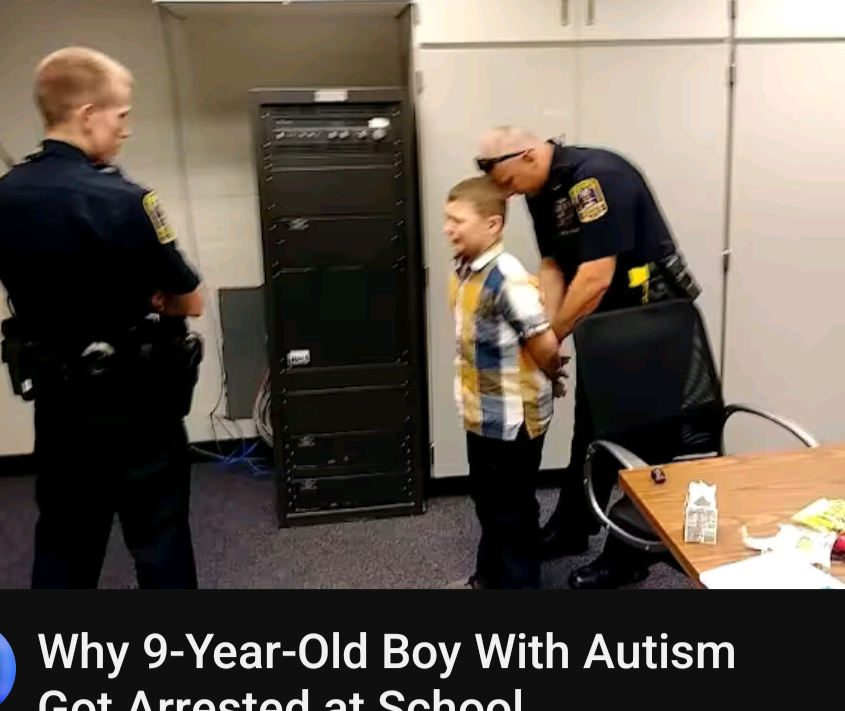
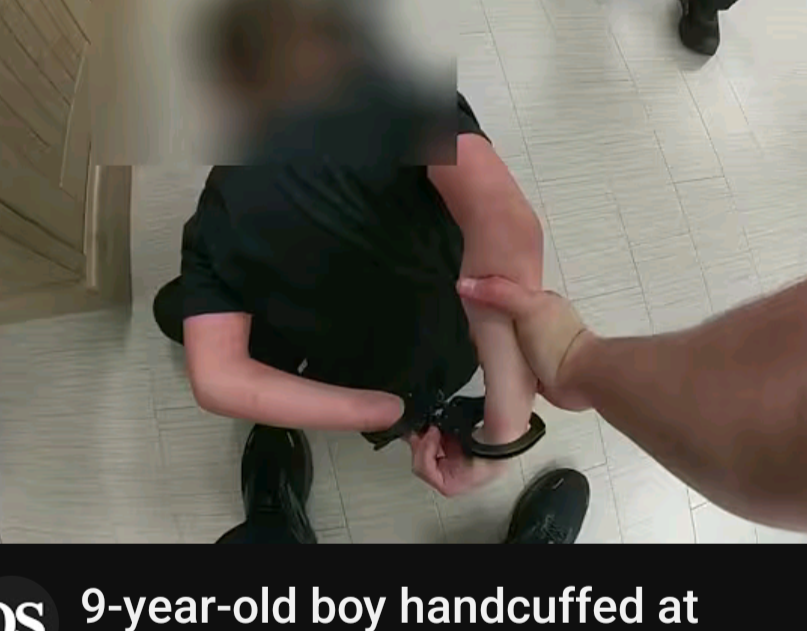

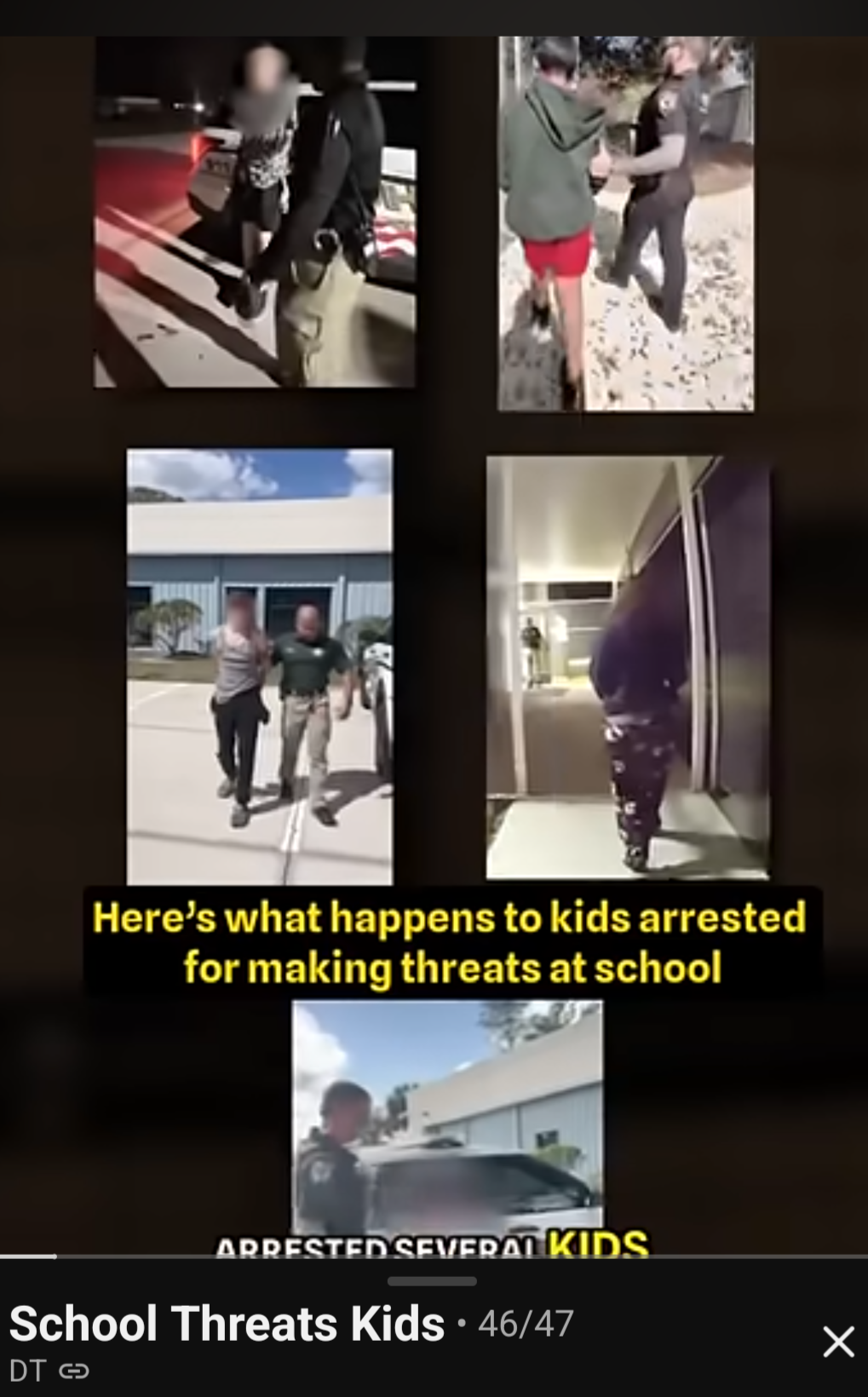
Summit Academy North Middle School
Summit Academy Schools
A 7th-grade student was taken into custody following an SRO investigation into threatening comments. The following day, a 9th-grade high school student was arrested for a peer threat.
An 11-year-old 6th-grade student was taken into custody by Huron Township police after making a verbal threat to another student.
A middle school student was taken into custody following an altercation in physical education class that escalated into reported peer threats.
Taylor & Romulus Districts
Taylor School District & Romulus Community Schools
A 24-hour surge in reported school threats resulted in police taking a 14-year-old female from Taylor and a 12-year-old male from Romulus into custody.
Midland Public Schools
Midland Public Schools
A middle school student was arrested and taken into police custody following alleged explicit threats directed at peers.
Incidents are documented based on verified reports and publicly available information. Student identities are not disclosed. This log is maintained to support the legislative case for mandatory BTAM standards under Proposed Sections 1308f–1308i.
Download Our Policy Resources
Access MCSSA's foundational policy documents, including our comprehensive project proposal and formal legislative memorandum submitted to the Michigan House Education Committee.
MCSSA Project Proposal
A comprehensive overview of MCSSA's founding mission, organizational structure, and strategic plan for advancing BTAM legislation across Michigan.
Download PDFMemorandum & Policy Brief
A formal legislative memorandum and policy brief outlining the legal framework, evidence base, and implementation pathway for Proposed Sections 1308f–1308i.
Download PDFHave a School Safety Experience to Share?
Submit a confidential BTAM incident report to help build the evidence base for statewide legislation.